Garden irrigation · London

Drip irrigation for London gardens

We install drip and trickle systems, and convert sprinkler systems to them. Most conversions take one day on site. The result is a system the current Thames Water restrictions permit.

Or email will@wareingdesign.co.uk · call 0207 703 2852

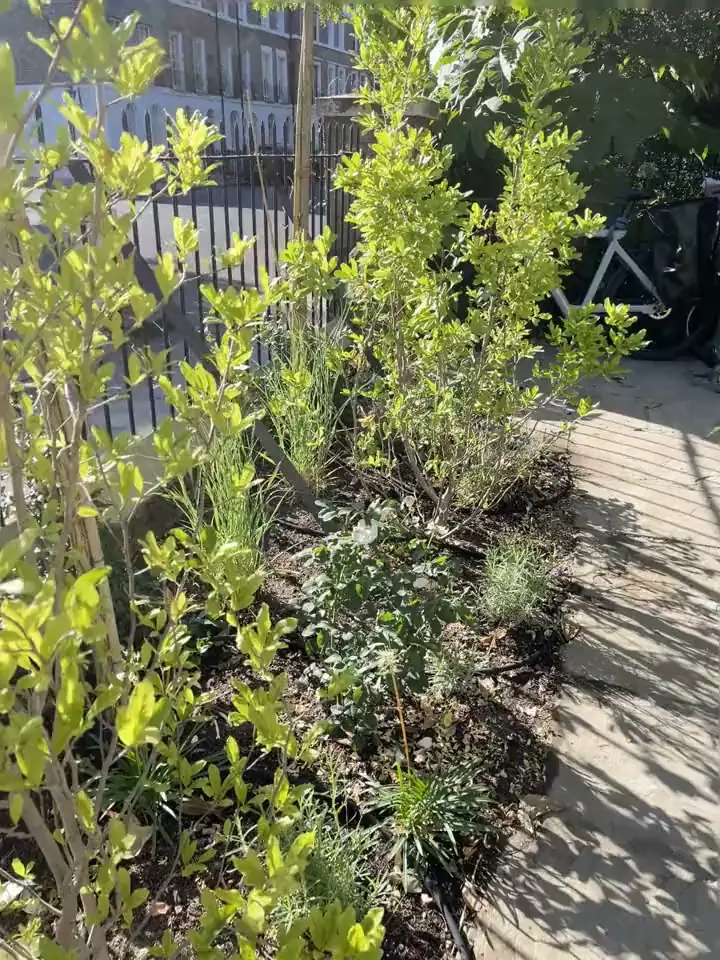
A newly planted London front garden with inline drip line laid through the bed
Inline drip line laid through a front-garden border Fig. 01
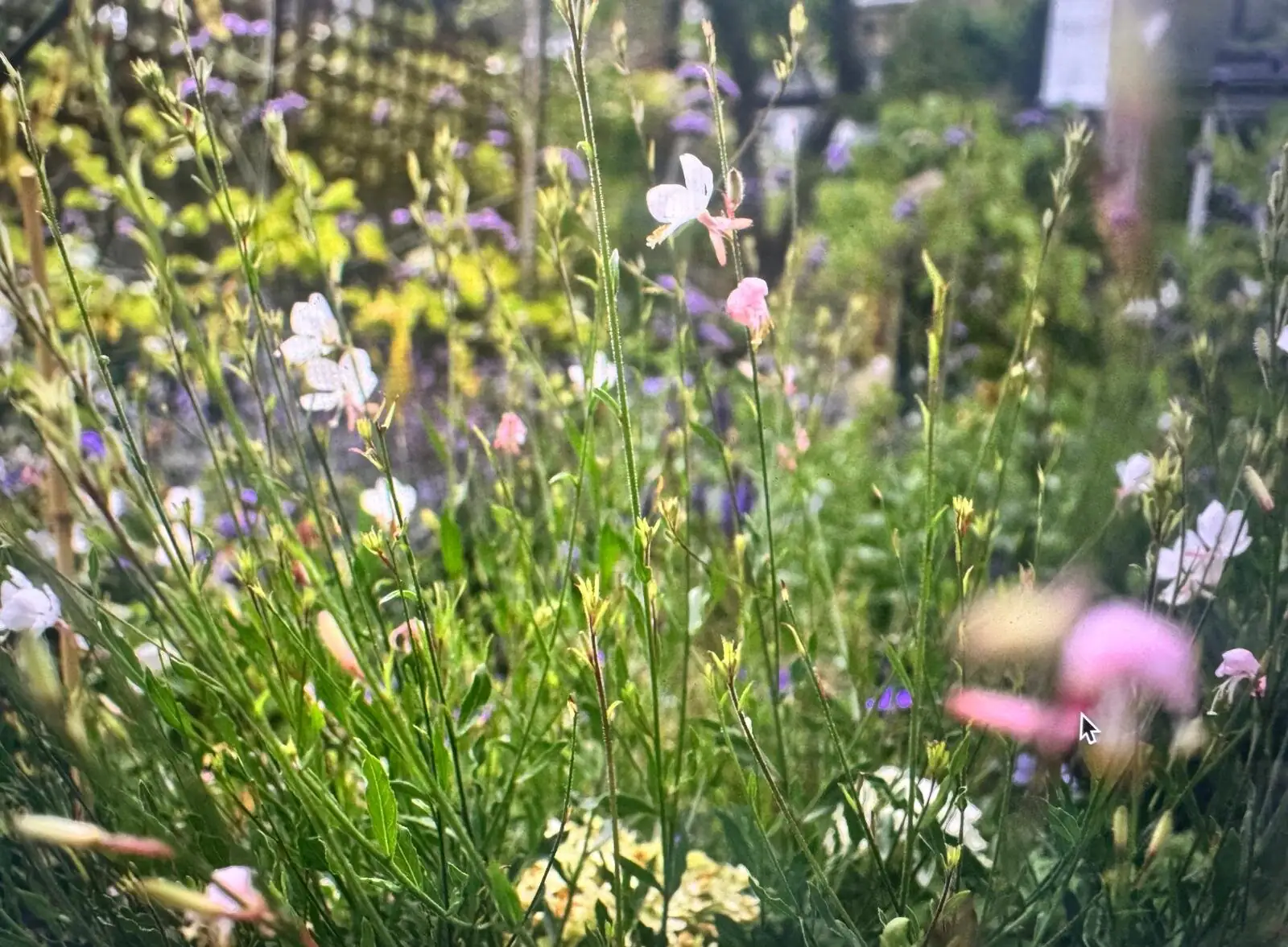
Gaura and perennial planting in soft evening light in a London garden
Perennial planting in late summer. Drip line waters at the root, so little is lost to evaporation from leaves and paving. Fig. 02

01 / What we do

What we install

Irrigation only: no garden design, no landscaping, no maintenance gardening. A visit takes 45 to 90 minutes, after which we can usually say whether the system already in the ground is worth keeping.

01 / Retrofit

Drip & trickle conversion
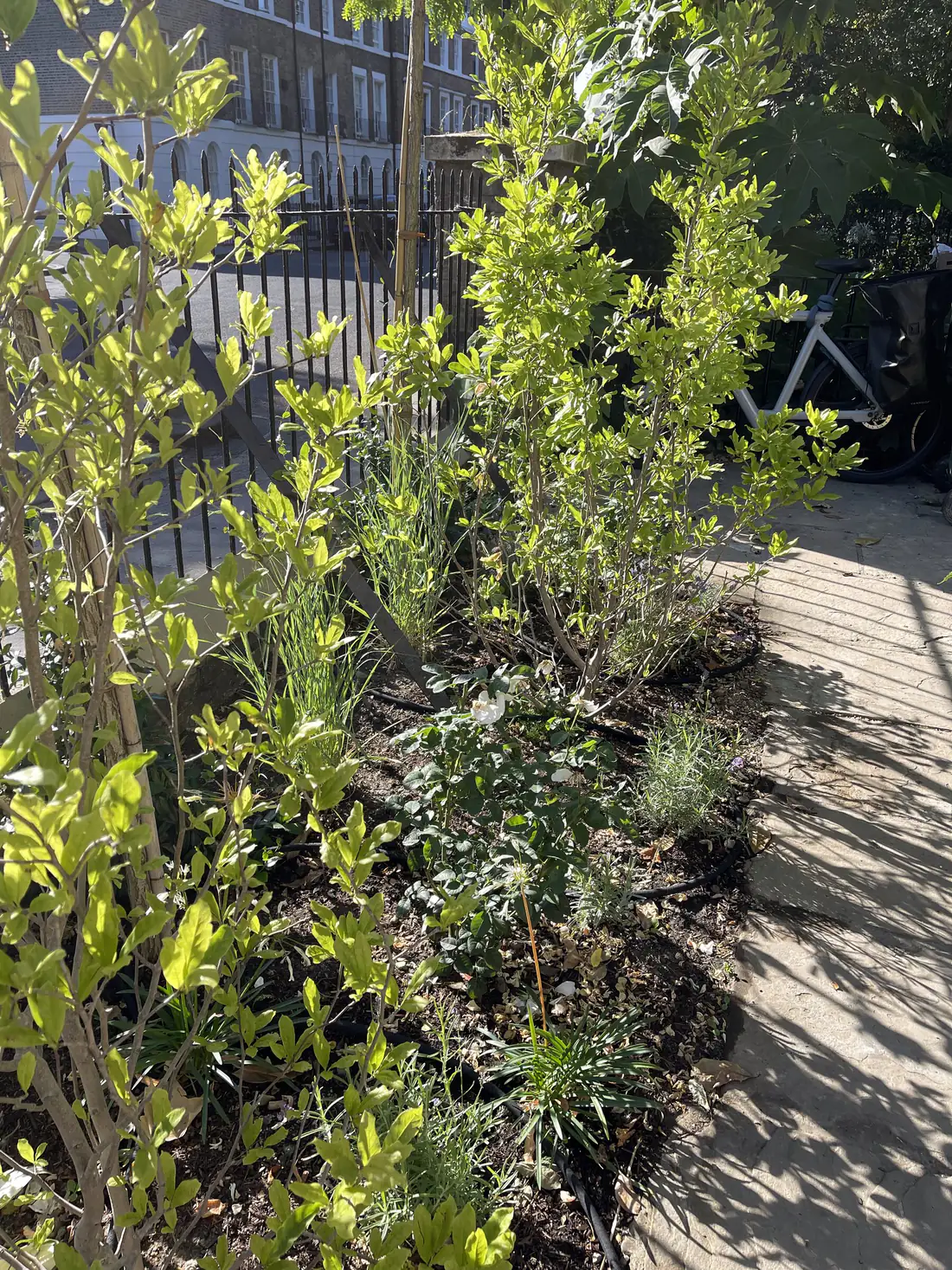
Black inline drip line laid through a planted front-garden border beside a paved path
Inline emitter line, pinned and mulched over Fig. 03

We convert pop-up sprinkler and hosepipe systems to pressure-regulated drip line. A filter and a pressure-reducing valve go in at the manifold, capping the line at 1.0 to 1.5 bar. The pop-up heads and risers come out. Inline-emitter line runs through the borders, pinned at the surface and mulched over, with emitter spacing set by the planting.

The conversion replaces the distribution only. Trenching, sleeving under paths and usually the valve boxes stay in the ground and are reused where they are sound, which is where most of the cost of the original installation went.

  • Operating pressure1.0–1.5 bar
  • Pots & specimensMicro-tube emitters
  • Lawn optionSub-surface drip
  • Most conversions1 day on site
02 / Control

Smart controllers

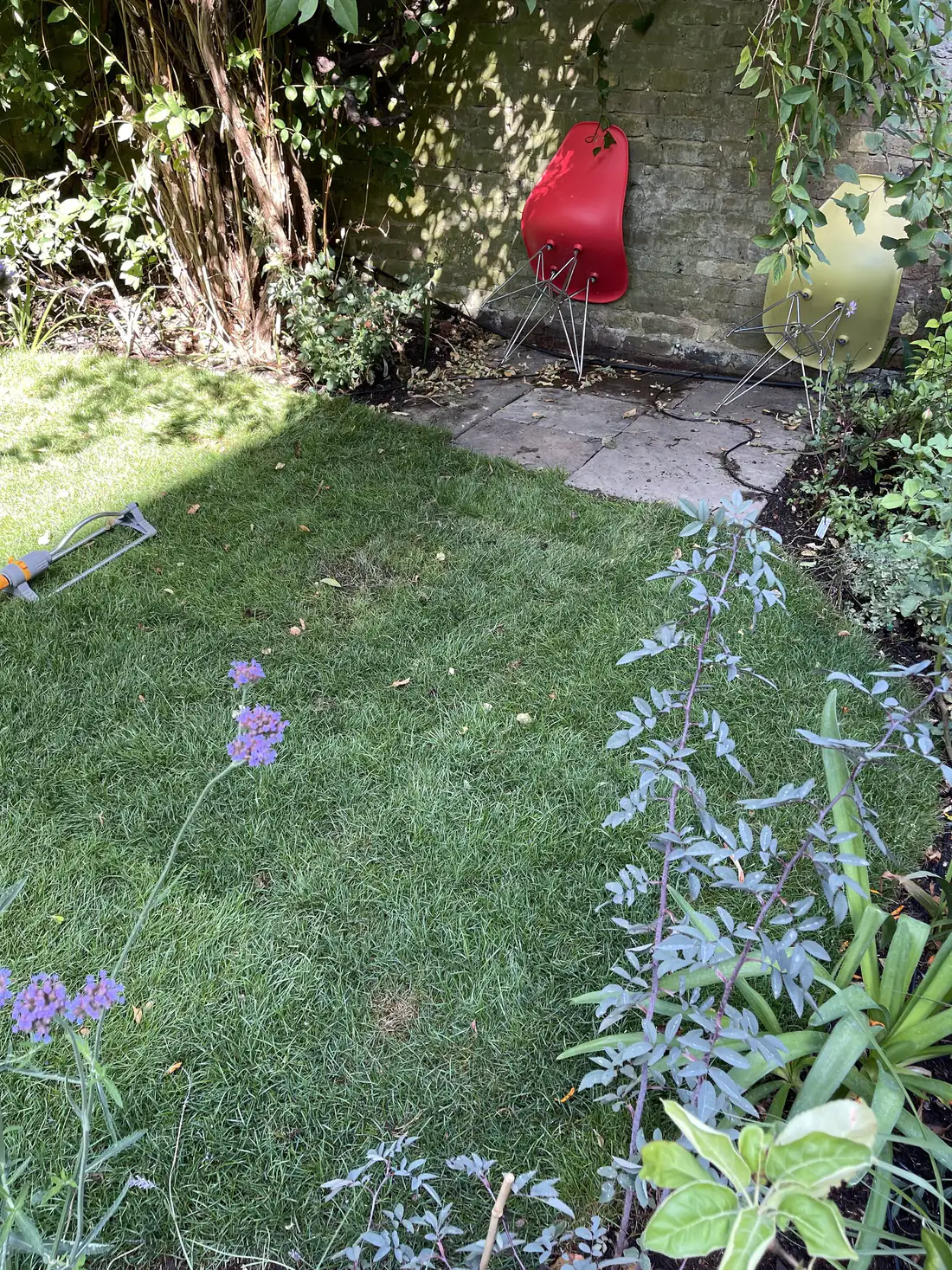
A small London lawn edged with lavender and verbena, dappled with shade
Lawn and border, watered on separate zones Fig. 04

Weather-linked controllers skip a cycle when rain is forecast and shorten or lengthen run times through the season without being reset. Every zone can be run from a phone.

Zones are grouped by water requirement: established shrubs, planting in its first two seasons, containers, lawn. Zones grouped by position in the garden instead mean the group with the lower requirement gets over-watered to keep the other alive.

  • Rain & forecast skipAutomatic
  • Seasonal adjustAutomatic
  • Zones6–16 typical
  • ControlApp, with offline fallback
03 / Care

Servicing & leak detection

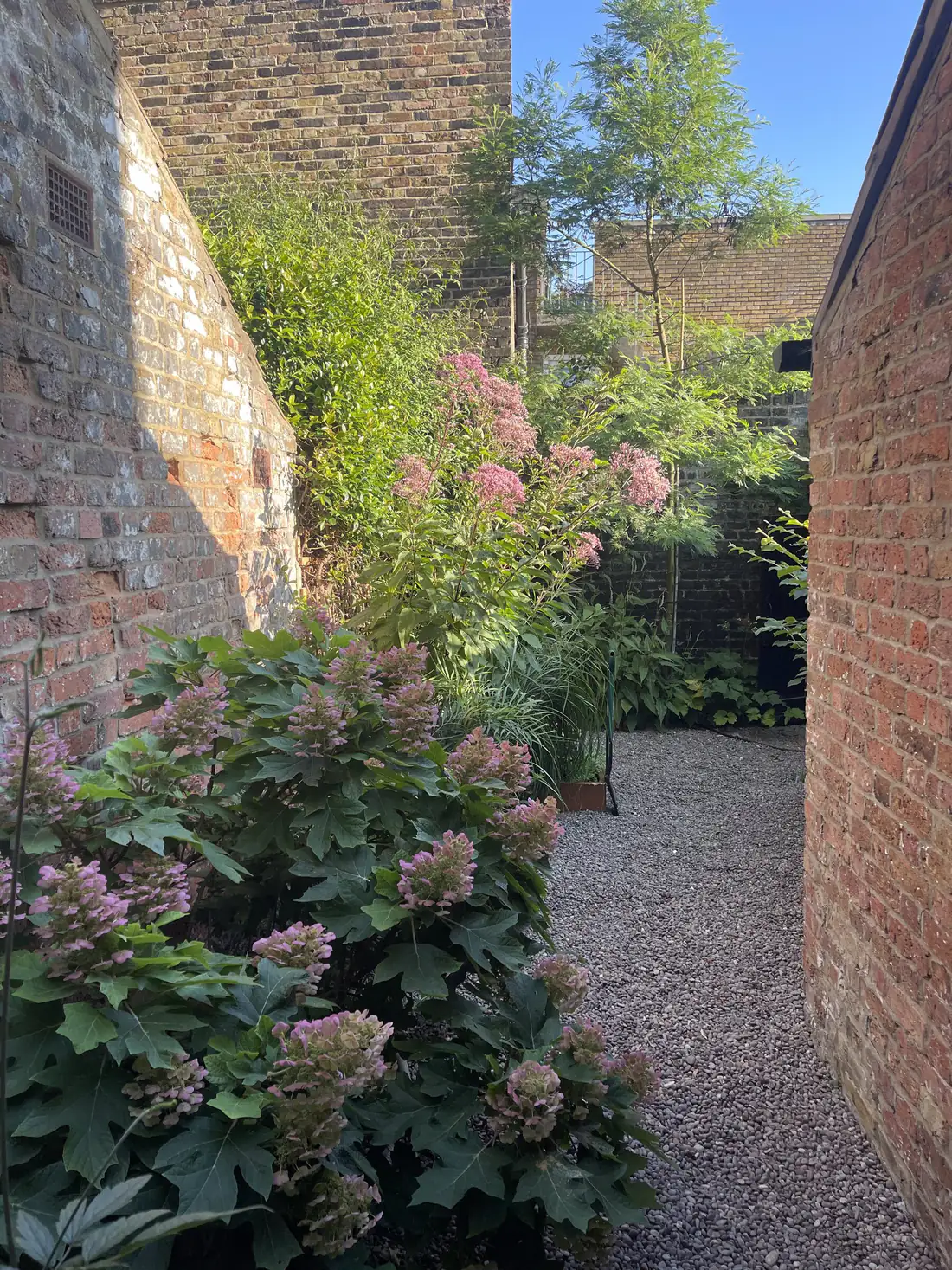
A narrow gravelled side return between brick walls, planted with oakleaf hydrangea
Side return, the kind of run where leaks go unnoticed Fig. 05

Annual service contracts: emitters cleared and flushed, filters changed, pressure checked on every zone, controller reprogrammed for the season.

Leak and pressure diagnostics when the meter is turning with nothing visibly wet, and an autumn blow-down with compressed air, since water left in a drip line expands as it freezes and splits it.

  • Service visitsSpring & autumn
  • Leak diagnosticsZone by zone
  • Winter blow-downCompressed air
  • ResponsePriority for contract holders

Every system in detail

How it works

How a drip system is put together

Water is metered out at 1.0 to 1.5 bar through emitters spaced along the line, into the soil around the roots. None of it is sprayed into the air, which is why so little is lost to evaporation and why the method is permitted under the restrictions.

Cross-section of a drip irrigation installation Mains supply feeds a timer and a pressure-reducing valve set to between 1.0 and 1.5 bar, then a drip line laid on the soil surface. Emitters release water drop by drop directly into the root zone, wetting a bulb of soil beneath each one, with nothing sprayed into the air. Mains Timer P.R.V. 1.0 – 1.5 bar Drip line, laid on the soil Soil surface Emitter spacing Root zone, wetted bulb
Cross-section of a drip installation: timer, pressure-reducing valve, line on the soil, water into the root zone Dwg. 01
  • Water at the rootDrop by drop
  • PressureRegulated at the manifold
  • Evaporation lossMinimal
  • Paving wettedNone
  • Typical water savingUp to 70%
Water saving is a manufacturer figure for drip against sprinkler. The figure for a given garden depends on planting, soil and schedule.

Thames Water permits a system with a timer and a pressure-reducing valve that is fixed rather than hand-held and delivers water directly to the soil without spraying. That is the specification we build to. The four conditions are quoted in full on the restrictions page.

What the restrictions allow

02 / How a job runs

From visit to handover

Two weeks from first visit to handover is typical. The visit is free and carries no obligation. If what is in the ground already meets the four conditions, we say so and leave it alone.

Step 01

Survey

We walk the garden, test static and dynamic pressure and flow rate at the outside tap, and open the valve boxes to see what is already in the ground.

45–90 minutes · free
Step 02

Proposal

A zone-by-zone plan and a fixed written price, listing what is reused, what is replaced, and what the system will do at the measured pressure.

Within 3 working days
Step 03

Install

Most conversions take one day. Borders are worked by hand at the surface. Turf comes up in strips and goes back down over sub-surface line.

1–3 days on site
Step 04

Handover

Every zone run and pressure-checked with you present, the controller set up on your phone, and a zone plan drawing for the house paperwork.

Same day as install

More on what to expect

03 / Why it is worth doing

What measured watering does

Three reasons that apply whether or not a restriction is in force.

London summers have been getting hotter and drier. Established borders and mature specimen planting are the most expensive parts of a garden to replace and the slowest to recover, and they show water stress weeks after the roots are affected.

Most of London sits on clay, which shrinks as it dries and swells when the rain returns. An irrigation system does not prevent subsidence, and we do not claim it does. What a metered system changes is the range of soil moisture through a season, particularly around the mature trees and shrubs that draw the most water out of the ground.

A drip system applies water at the root, at a rate the soil absorbs, at times of day when little evaporates. The same planting can be kept alive on a fraction of the water a sprinkler system uses, and can be watered while a hosepipe cannot.

40% Of average spring rainfall across the Thames Water region this year. Source: Thames Water
38.1°C Recorded at Kew Gardens on 13 August 2026, the fifth hottest temperature on record in the UK. Source: Met Office
£153m Subsidence claims in the first half of 2026, across almost 9,000 households, at an average payout of £17,263. Source: Association of British Insurers

Arrange a visit

Arrange a visit

Tell us the postcode, roughly what is in the ground, and the size of the garden. The visit is free, takes 45 to 90 minutes, and is followed by a written price within three working days.

A photograph of the controller and one of the garden is usually enough for a first answer by email.

Email
will@wareingdesign.co.uk
Phone
0207 703 2852
WhatsApp
07958 956640